
New windows should improve comfort, reduce energy costs, and enhance your home’s appearance. When installation is done poorly, even high-quality products like Pella or custom fiberglass can underperform. At Boise Custom Windows & Doors, we help homeowners in Boise, Meridian, Nampa, and surrounding communities spot problems early and choose the right solution.
Why Installation Matters
Windows are more than glass and frames. Proper installation ensures correct flashing, airtight seals, correct shim placement, and precise alignment to avoid thermal bridging, water intrusion, and structural stress. Poor installation can void warranties and lead to costly repairs over time.
Common Signs of Incorrect Window Installation
- Drafts or cold spots: Feeling air near a window often means gaps or poor sealing. Drafts reduce comfort and increase heating bills.
- Visible gaps or uneven spacing: Uneven gaps around the frame or inconsistent caulking indicate the unit wasn’t set plumb and square.
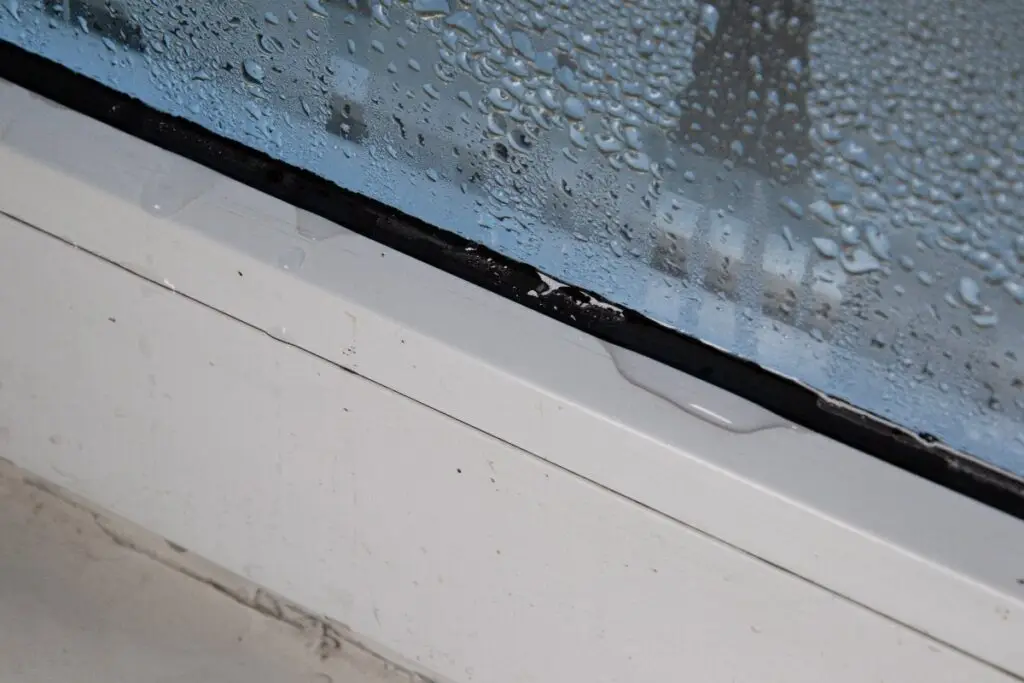
- Water stains or active leaks: Water intrusion, staining, or peeling paint on interior trim suggests improper flashing or failed exterior sealants.
- Condensation between panes: Moisture trapped inside insulated glass units (IGUs) shows a broken seal, a sign of compromised installation or a faulty unit.
- Difficulty opening or closing: Sticky sashes or hardware that binds can be caused by frames installed out-of-square or improper shimming.
- Visible light around the frame: Daylight around the sash when closed signals air leakage and poor fit.
- Noisy operation: Excessive rattling or outdoor noise infiltration often indicates loose installation or missing insulation around the jamb.
- Warped or bowed frames: Frames that flex or bow under normal use can be due to poor fastener placement or lack of structural support.
- Reduced energy performance: A sudden jump in energy bills after new windows typically stems from thermal breaks or gaps allowing heat transfer.
- Trim or drywall cracking: New cracks near windows may result from movement caused by an improperly secured unit or incorrect framing adjustments.
What These Signs Mean
Each symptom points to one or more installation mistakes. For example, water stains usually mean flashing or sill pan was not properly installed. Drafts and visible light gaps point to missing or compressed insulation and poor sealing. Hardware problems and sticky operation often come from windows being installed out-of-plumb.
How to Inspect Your Windows
- Check frame alignment: Close the sash and look for even gaps around the perimeter.
- Perform a smoke test: Light a candle near the edges of the closed window on a calm day to spot airflow.
- Look outside after rain: Any drips, stains, or pooling indicates water management failure.
- Monitor energy use: Compare utility bills before and after installation to catch efficiency problems.
- Inspect hardware and operation: Open and close each window multiple times to feel for binding or looseness.
Fixes and Repairs
Some issues are minor and can be corrected without full replacement:
- Resealing and caulking to stop air and water leaks.
- Shimming and re-leveling the frame to correct alignment and operation.
- Replacing flashing or adding drip caps for water intrusion problems.
- Replacing failed IGUs when seals are compromised.
Major structural problems, consistent leaks, or repeated warranty claims usually warrant full reinstallation by a qualified professional.
When to Call a Professional
If you find standing water, repeated fogging between panes, uneven gaps, or walls with mold or rot, call a professional right away. Improperly installed windows can cause progressive damage, from degraded insulation and higher bills to wood rot and compromised framing.
Why Choose a Local Expert
Boise area homes face unique weather patterns: hot, dry summers and cold winters that make correct flashing, thermal breaks, and material selection critical. Boise Custom Windows & Doors combines local expertise with trusted manufacturers like Pella to ensure windows are specified and installed for long-term performance.
Preventing Installation Problems
- Hire certified installers with references and local experience.
- Request written warranties that include workmanship and product coverage.
- Ask for an installation checklist showing flashing, insulation, fastening, and sealing steps.
- Schedule a post-installation inspection to verify performance and catch issues early.
Our Approach
At Boise Custom Windows & Doors, we emphasize quality, customization, and transparent communication. Our installers follow manufacturer guidelines and local building codes, perform precise measurements, and document each installation step. If an issue arises, we provide clear options: repair, reseal, or full replacement, always prioritizing durability and energy efficiency.
Local Service Areas
We serve Boise and surrounding cities. Whether you need a one-time inspection or a full replacement with vinyl, wood, fiberglass, or aluminum windows, our team helps homeowners protect their homes and investments.
Not sure whether the problem is installation or product-related? Begin with a professional inspection. We’ll provide an honest assessment and a solution that aligns with your budget and long-term goals.
If your windows show these warning signs, don’t wait—early inspection prevents costly repairs and protects your home’s comfort and value. Schedule a free inspection with Boise Custom Windows & Doors today.