
Casement Windows in Boise, ID
At a Glance
- What it is
A crank-operated window that hinges on one side and swings outward, sealing by compression against the frame.
- Typical cost in Boise
$500–$1,300 per window installed.
- Energy performance
One of the tightest-sealing window styles available, due to the compression seal.
- Idaho egress code
Can meet the 5.7-sq.-ft. bedroom egress requirement, often in a smaller opening than other styles.
- Best fit
Kitchen sinks, sunrooms, hard-to-reach spots, and bedrooms needing egress upgrades.
Casement windows seal by compression: when the crank locks the sash, it pulls tight against the frame on all four sides, rather than just resting in a track like a sliding window. That’s the mechanical reason they’re best for spaces where draft control matters most — exterior walls, additions, and Idaho homes exposed to hot, dry summers and cold winters.
This guide covers cost, how casement windows compare to double-hung, Idaho climate and code specifics, installation methods, materials, and the questions homeowners ask most before buying.
What Is a Casement Window?
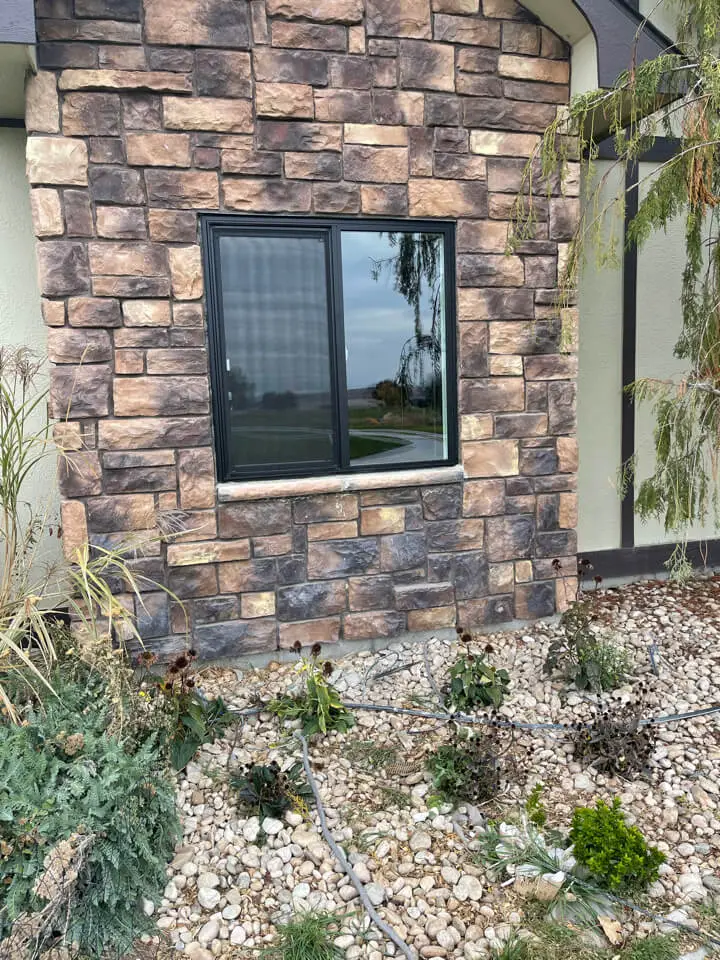
A casement window hinges on one side and swings outward, like a door, opened and closed with a hand crank. Because the sash presses tightly against the frame when latched, casement windows are best for spots where a tight seal and unobstructed glass matter most — exterior walls exposed to weather, hard-to-reach openings, and rooms where draft control is a priority.
Casement windows are also called “crank windows.” They’re most often installed as single units or paired side-by-side, and they’re a common choice above kitchen sinks, in sunrooms, and anywhere a homeowner wants an unobstructed view without a center rail cutting through the glass.
How Much Do Casement Windows Cost in Boise?
Most Boise homeowners pay $500 to $1,300 per window, installed, for a casement window. Where you land in that range depends on:
| Factor | Impact on price |
|---|---|
| Frame material | Vinyl is the most affordable; wood and fiberglass-clad units cost more |
| Window size | Larger openings and bedroom-sized egress units cost more than small units |
| Glass package | Double-pane Low-E glass is standard; triple-pane and specialty coatings add cost |
| Number of windows | Ordering multiple windows in one project typically lowers the per-window price |
| Installation method | A full-frame replacement (see below) costs more than a simple insert due to added labor |
A full-home project with a mix of casement and other window styles in the Treasure Valley commonly falls in the $10,000–$21,000 range before rebates, though every home and product mix is different.
The only way to get an exact number is an in-home measurement — window openings, framing condition, and trim details all move the price. Our online calculator can give you only an approximate sum.
Casement vs. Double-Hung Windows: Which Is Better for a Boise Home?
This is the most common comparison homeowners make before choosing a window style. Both are good options — the right one depends on where the window goes and what you want it to do.
| Casement | Double-Hung | |
|---|---|---|
| How it opens | Cranks outward on a side hinge | Slides up and down |
| Ventilation | Opens fully; catches breeze like a sail | Adjustable — open top, bottom, or both |
| Seal/energy efficiency | Tighter seal, compresses against frame when locked | Good, but slightly less airtight than casement |
| View | Unobstructed glass, no center rail | Center rail divides the view |
| Best for | Kitchen sinks, hard-to-reach spots, sunrooms, modern facades | Traditional/craftsman homes, spaces near walkways or patios |
| Watch out for | Needs clear exterior space to swing open; not ideal right next to a walkway or deck | Harder to seal as tightly as a casement over time |
Bottom line: if energy efficiency and unobstructed views are the priority, casement wins. If the window sits next to a walkway, patio, or tight side yard where an outward-swinging sash would be in the way, double-hung is usually the more practical pick.
Are Casement Windows Good for Idaho's Climate?
Yes, casement windows perform well in the Treasure Valley’s hot, dry summers and cold winters, largely because of how they seal. When cranked shut, the sash compresses against weatherstripping on all four sides, which limits the air leakage that drives up heating and cooling bills.
That tight seal is one reason casement windows are frequently recommended for homes exposed to wind and temperature swings — both of which Boise gets throughout the year.
The one climate-related consideration worth knowing: because the sash opens outward, a casement window left open during a sudden gust has more surface area exposed to wind than a sliding window. It’s rarely a problem in day-to-day use, but it’s worth keeping in mind for windows on a home’s most wind-exposed side.
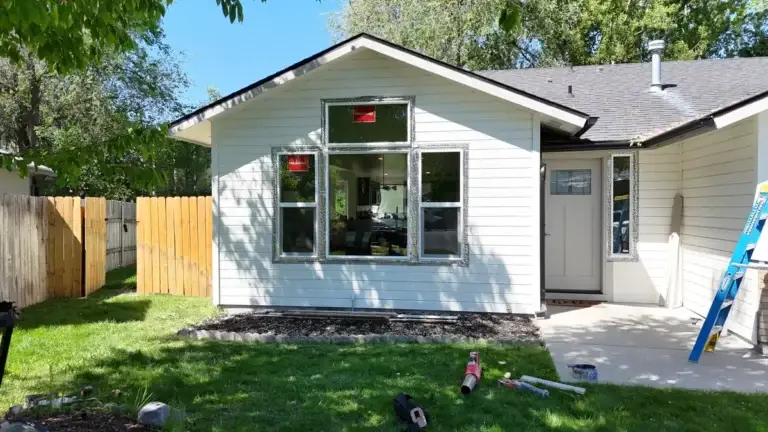
Do Casement Windows Meet Idaho's Egress Code for Bedrooms?
Often, yes. Idaho has adopted the International Residential Code (IRC), which requires every bedroom — including basement bedrooms — to have an emergency escape and rescue opening (an “egress window”) with:
- A net clear opening of at least 5.7 square feet (5.0 sq. ft. for basements with a window well)
- A minimum clear height of 24 inches and clear width of 20 inches
- A sill height no more than 44 inches from the floor
- The ability to open fully from the inside without keys, tools, or special knowledge
Because a casement window swings all the way open rather than opening halfway like a slider or double-hung, it’s often easier to size a casement to meet the full 5.7-square-foot clear opening in a smaller wall space. Always confirm exact sizing with your local building department or installer, since code compliance depends on the specific opening.
Full-Frame Casement Window Replacement: What Boise Homeowners Need to Know
Full-frame replacement means removing the entire existing window — sash, frame, jambs, sill, and interior/exterior trim — down to the rough opening in the wall, then building the new casement window in from scratch. It’s a more involved job than a simple insert (which only swaps the sash into the existing frame), but it’s the right approach in several common situations:
- The existing frame has rot, water damage, or soft/spongy wood: a common issue in older Boise Bench and North End homes with original wood-frame windows
- You want to resize the opening: make a window larger, add a window, or convert a smaller window to a full egress-compliant casement
- The frame is out of square: settling or a poor original install can leave an opening that won't seal properly against a new sash
- You're changing window style: for example, swapping a double-hung or slider for a casement, since the new sash geometry may not fit the old frame
- You want the best long-term seal and energy performance: full-frame work exposes the flashing and air-sealing around the window-to-wall connection, not just the window itself
Because full-frame work opens up structural framing, it’s also the method used for permitted work — egress upgrades, adding a new opening, or resizing an existing one.
This is professional-only work: a licensed, insured crew carries the liability for the structural repair and knows the correct flashing sequence to keep the wall from leaking behind a brand-new window.
Pros and Cons of Casement Windows
Casement windows have a short, well-known list of trade-offs — here’s how they stack up in plain terms.
Pros
- Best for draft control: the compression seal limits air leakage better than a sliding sash
- Fully unobstructed glass and view
- Excellent, adjustable ventilation: the sash can act as a scoop to catch breeze
- Easy to operate with one hand via the crank, good for over sinks and counters
- Screens sit on the interior, so they stay cleaner than exterior screens
- Often easier to meet bedroom egress requirements in a compact opening
Cons
- Swings outward, so it needs clear exterior space — not ideal next to walkways, patios, or tight side yards
- Exterior glass can be harder to reach and clean than a tilt-in double-hung sash
- The crank mechanism has moving parts that need occasional lubrication and, eventually, replacement
- Wind exposure is a bit more of a factor when the window is open
Best Places for Casement Windows in a Boise Home
Casement windows work best where full ventilation or an unobstructed view matters more than exterior clearance.
- Above kitchen sinks and counters — the crank makes them easy to open one-handed over an obstruction
- Sunrooms and living rooms — unobstructed glass maximizes the view and natural light
- Basement and upper-story bedrooms — sizing options help meet egress code
- Home offices and reading nooks — full ventilation without a center rail blocking the view
Less ideal spots: directly beside a walkway, deck stair, or tight side-yard gap where an open sash would become an obstruction.
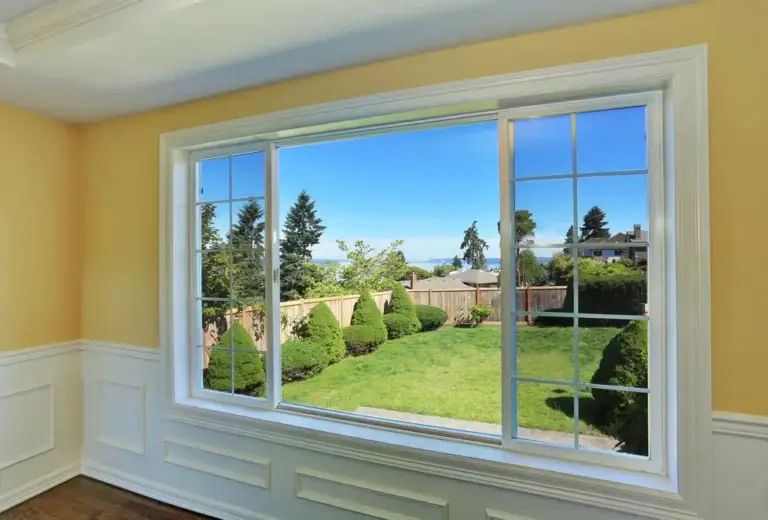
Vinyl, Fiberglass, or Wood: Which Material Fits Boise's Climate?
All three frame materials can handle Idaho’s temperature swings, but they age differently and land in different price brackets.
- Vinyl — the most budget-friendly option and a strong performer in Boise's temperature swings; low maintenance and won't rot, warp, or need repainting.
- Fiberglass — more dimensionally stable than vinyl in extreme heat and cold, holds paint well, and generally carries a higher price point.
- Wood — the classic look for craftsman and historic Boise homes; needs more upkeep against sun and moisture but can be clad on the exterior for added durability.
The right material comes down to budget, the home’s architectural style, and how much upkeep you want to take on — all worth discussing during an in-home consultation.
Maintenance Tips for Casement Windows in Idaho
Boise’s dry, dusty summers and freeze-thaw winters are hard on hardware and seals specifically — a quick seasonal check keeps a casement window performing the way it’s supposed to.
- Lubricate the crank mechanism once or twice a year — Boise's dry air and dust can accelerate wear on unlubricated hardware.
- Wipe down and inspect weatherstripping seasonally; a compromised seal is one of the fastest ways to lose the energy-efficiency advantage casement windows are known for.
- Clear dust and debris from the track and hinge area, especially after Boise's dry, windy spring days.
- Check the exterior glass and frame after major wind events, since an open casement sash sees more wind exposure than other styles.
Get a Local, No-Pressure Casement Window Quote in Boise
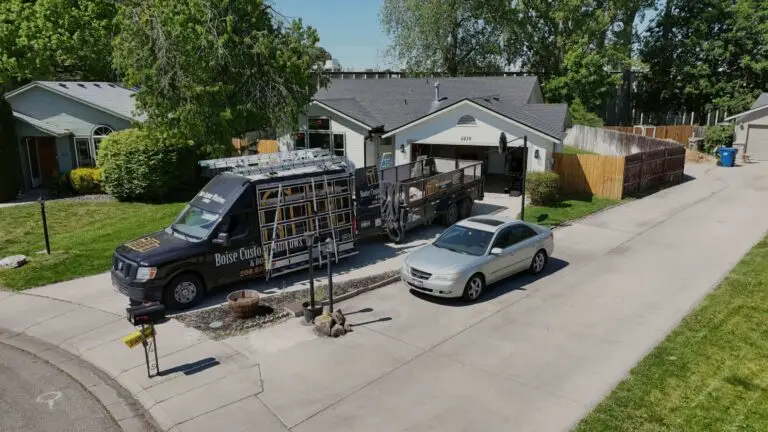
Every home’s framing, window openings, and code requirements are a little different, which is why online price ranges can only get you so far. Boise Custom Windows & Doors offers free in-home consultations across the Treasure Valley — Boise, Meridian, Eagle, Nampa, Kuna, and beyond — with in-house, factory-certified installers (no subcontractors) and trusted brands like Pella and Marvin.
Get a free, no-pressure quote or call 208.920.1126 to talk through whether casement windows are the right fit for your home.
Frequently Asked Questions
What is the main drawback of casement windows?
The biggest drawback is that they swing outward, so they need clear exterior space and aren’t ideal next to walkways, patios, or narrow side yards. Otherwise, they have very few functional downsides.
Are casement windows more expensive than double-hung windows?
They’re often similarly priced or slightly higher, mainly due to the crank hardware. In the Treasure Valley, both styles commonly fall in the same $500–$1,300 per window installed range, with material and size affecting the price more than style.
Do casement windows meet Idaho bedroom egress requirements?
Yes, when sized correctly. Idaho follows the IRC, which requires a 5.7-square-foot net clear opening for bedroom egress windows. Because casements open fully, they can often meet that requirement in a smaller wall opening than a sliding or double-hung window.
What's the difference between full-frame and insert casement window replacement?
Insert replacement swaps the sash into the existing frame and leaves the wall closed up. Full-frame replacement removes everything — frame, jambs, sill, and trim — down to the rough opening, which allows a crew to inspect and repair the structure, resize the opening, or change window style. It costs more but is the right call for rot, water damage, or resized openings.
Can full-frame replacement be a DIY project?
No, full-frame replacement involves structural framing, a precise flashing sequence, and typically a building permit. It should always be handled by a licensed, insured professional crew.
How long do casement windows last?
A quality casement window with proper installation and basic hardware maintenance typically lasts 20–30 years, similar to other window styles. The crank mechanism is the part most likely to need service over that lifespan.
Can casement windows have screens?
Yes. Casement window screens are installed on the interior side of the window, which keeps them cleaner and better protected from weather than exterior screens on styles like double-hung windows.
Are casement windows good for a windy climate?
Yes, when closed — the compression seal is best for wind resistance, since it pulls the sash tight against the frame on all sides. The consideration is mainly about the window while it’s open, since the sash catches more wind than a sliding style.
Can you replace just one casement window, or does it have to be the whole house?
Single-window replacement is common and doesn’t require replacing every window in the home. Ordering multiple windows in one project can lower the per-window cost, but there’s no requirement to do the whole house at once.
Do casement windows require a permit to replace?
A straightforward insert replacement into an existing, unchanged opening usually doesn’t require a permit. Full-frame replacement often does, especially when it involves resizing the opening or bringing a bedroom up to egress code — your installer handles the permit as part of the job.