
Double-Hung Windows in Boise
At a Glance
- The basics
Double-hung windows have two vertically sliding sashes. Both can open independently to adjust ventilation.
- Single-hung vs. double-hung
Single-hung windows have one movable sash; double-hung windows have two, offering more ventilation options and potentially easier cleaning.
- Cost
A broad US estimate is $1,275 per window installed. Actual Boise pricing depends on dimensions, materials, glass, and installation scope.
- Energy efficiency
U-factor, solar heat gain coefficient (SHGC), air leakage, and installation quality matter more than window style alone.
- Cleaning
Many double-hung models tilt inward, allowing homeowners to clean the exterior glass from inside.
- Ventilation
Opening both sashes can encourage air circulation, although actual airflow depends on wind, temperature, and room layout.
- Security
Locks, sash alignment, glass type, and frame condition all affect security.
- Repair vs. replacement
Balances, locks, weatherstripping, and some glass units may be repairable. Extensive frame rot or recurring water intrusion can justify replacement.
- Bedroom egress
A double-hung window can qualify as an emergency escape opening if its usable opening and other dimensions meet the applicable building code.
- Full-frame replacement
Appropriate when the existing frame is damaged, the opening needs to change, or the surrounding assembly requires attention. This is professional installation work.
- 2026 rebates
The federal residential energy-efficiency tax credit for windows ended for installations after December 31, 2025. Idaho Power and Avista programs have separate service areas and eligibility requirements.
What Is a Double-Hung Window?
A double-hung window has two sashes that slide vertically within the same frame. The lower sash moves upward, and the upper sash moves downward. Unlike a single-hung window, where the upper sash remains fixed, a double-hung unit lets you open either section independently.
That difference affects how the window is used. Opening the lower sash admits air near the floor, while opening the upper sash creates a higher outlet. When both are open, the arrangement can support air circulation between the two openings, although the actual effect depends on indoor and outdoor conditions.
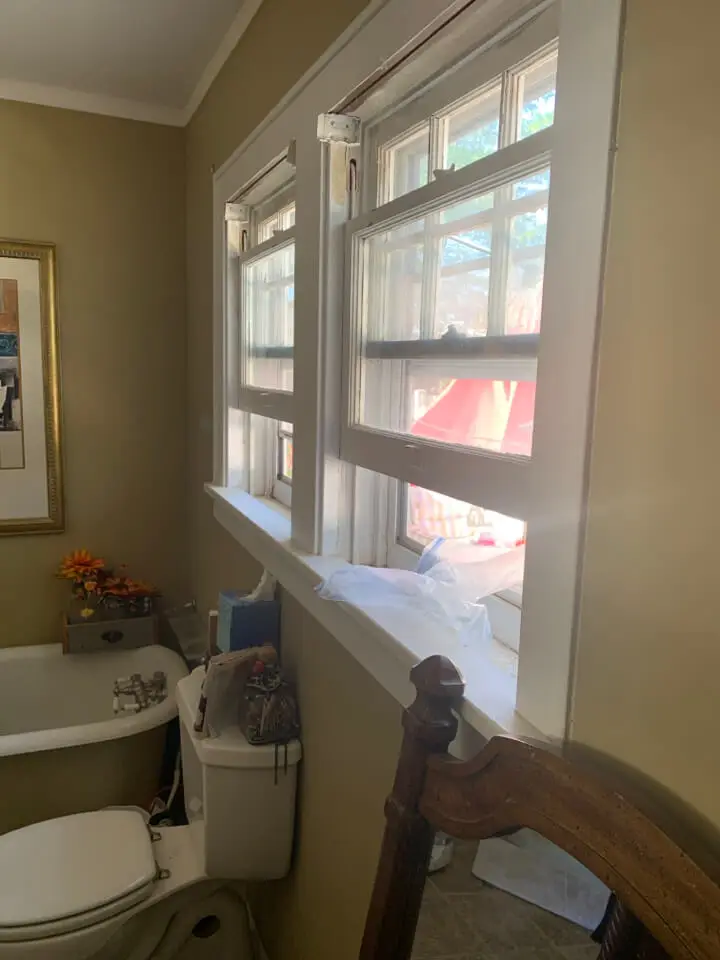
Double-hung windows are common in traditional American homes, but they are not limited to older architectural styles. Modern models come in vinyl, wood, and fiberglass, with different frame colours, grille patterns, glass packages, and hardware finishes.
Many also have tilt-in sashes, which allow the glass to be cleaned from indoors. This is particularly useful for second-story windows, where accessing the exterior glass can otherwise require ladders or professional cleaning.
For Boise homeowners, the main considerations are how well the window fits the opening, its thermal and air-leakage performance, how it operates, and whether its appearance suits the house. The double-hung mechanism provides flexibility, but it does not automatically make a window more energy-efficient than every other style.
Double-Hung vs. Single-Hung Windows: What's the Difference?
These two styles look almost identical when closed. The important difference is whether the upper sash moves.
| Feature | Double-hung | Single-hung |
|---|---|---|
| Movable sashes | Both upper and lower | Lower sash only, in the typical design |
| Ventilation | Upper and lower openings can be adjusted | Ventilation comes through the lower opening |
| Cleaning | Both sashes may tilt inward, depending on the model | Access depends on the model; the fixed upper sash can be harder to clean |
| Hardware | Usually has balance mechanisms for both sashes | Usually has a balance mechanism for the movable sash |
| Cost | Often costs more for a comparable product | Often costs less for a comparable product |
| Typical reason to choose it | More control over ventilation and easier cleaning | Simpler operation and potentially lower purchase cost |
A double-hung window is worth considering when you want both sashes to open or need convenient access to the exterior glass. If you rarely use the upper opening and do not need both sashes to tilt, a single-hung window may meet your needs at a lower price.
Neither style is inherently superior in every home. Compare the actual products, including their air-leakage ratings, locks, weatherstripping, and glass specifications.
Double-Hung vs. Casement vs. Sliding Windows
Double-hung windows are one of several ways to introduce ventilation into a room. Casement and sliding windows operate differently, and those differences can affect everyday convenience and closed-window performance.
| Feature | Double-hung | Casement | Sliding |
|---|---|---|---|
| Operation | Two vertical sliding sashes | Side-hinged sash swings outward | One sash slides horizontally |
| Ventilation | Upper and lower openings | Outward-opening sash can direct airflow | Horizontal opening on one side |
| Cleaning | Many models tilt inward | Depends on sash design and access | Depends on whether the sash can be removed or tilted |
| Closed-window seal | Sliding seals and weatherstripping | Compression seal around the sash in typical designs | Sliding seals and weatherstripping |
| Exterior clearance | No swinging sash | Requires space outside the window | No swinging sash |
| Common advantage | Flexible ventilation and traditional appearance | Strong air-sealing potential and directional airflow | Simple operation and wide horizontal views |
Casement windows can achieve very good air-leakage performance because their closing mechanism presses the sash against the frame. Double-hung and sliding windows rely on different sealing arrangements, but their actual performance varies by product. A well-designed, properly installed double-hung window can still be an excellent replacement.
For a Boise home, consider the window opening, the available exterior clearance, how you want to ventilate the room, and the manufacturer’s performance ratings. Changing from one style to another may also require modifications to the opening and additional installation work.
Are Double-Hung Windows Energy-Efficient?
They can be. A double-hung window’s energy performance depends on the glass, frame, seals, and installation, not simply on the fact that both sashes move.
Boise’s climate makes it important to consider winter heat loss as well as summer solar heat gain. A window that performs well in one respect may need a different glass package for a room with strong afternoon sun.
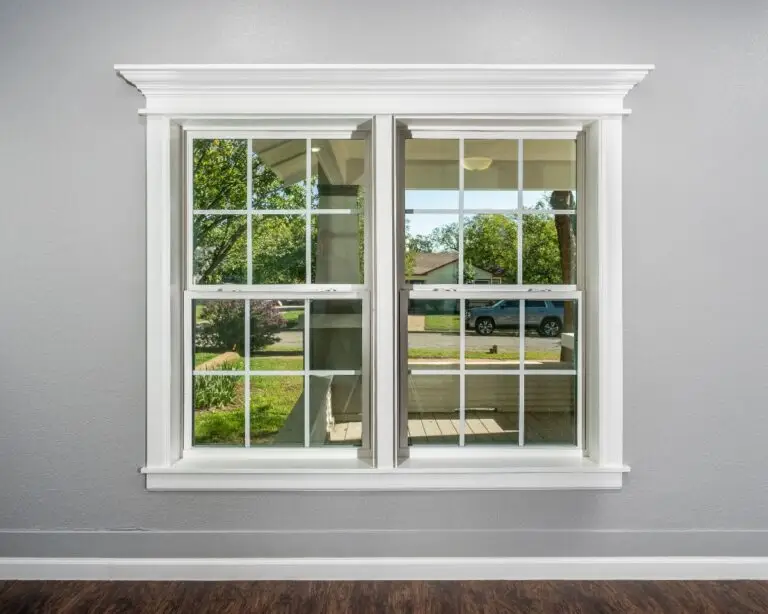
U-Factor, SHGC, and Air Leakage
Three ratings and features are particularly useful when comparing products.
U-factor measures how readily heat passes through a window. A lower U-factor means better insulating performance.
Solar heat gain coefficient (SHGC) measures the fraction of solar heat that enters through the window. A lower SHGC reduces solar heat gain, which can be useful on sun-exposed sides of the home. The right balance depends on orientation, shading, and heating and cooling needs.
Air leakage measures how much air passes through a closed window assembly under specified conditions. Weatherstripping, sash alignment, locks, and installation all affect how well the window limits drafts.
Double-Pane vs. Triple-Pane Glass
Double-pane insulated glass is a common choice for replacement windows. It consists of two panes separated by a sealed space, often filled with argon. Low-E coatings help control radiant heat transfer.
Triple-pane glass adds another pane and insulating space. It can improve thermal performance and may reduce outside noise, but it generally costs more and adds weight. Whether that extra investment makes sense depends on the product’s ratings, the room, and the home’s overall energy performance.
Frame materials also matter:
- Vinyl: Generally low-maintenance, with a range of price points and frame designs.
- Fiberglass: Offers dimensional stability and durability, with options for different architectural styles.
- Wood: Provides a traditional appearance and can be painted or stained, but exposed finishes require maintenance.
No frame material guarantees energy savings on its own. Compare the complete window’s certified performance ratings, and ask how the proposed installation will address insulation and air sealing around the opening.
How Much Do Double-Hung Windows Cost in Boise?
A useful preliminary US benchmark is approximately $1,275 per double-hung window installed. This is a broad national estimate, not a verified Boise-specific price list. Actual costs depend on the product and the work required at the property.
What Affects the Installed Cost?
- Size and configuration: Larger windows and custom dimensions can increase material and installation costs.
- Frame material: Vinyl, fiberglass, and wood have different price points and finishing requirements.
- Glass package: Low-E coatings, gas fills, triple-pane glass, and specialty glass affect the total.
- Replacement method: Retaining a suitable existing frame can cost less than removing and replacing the full frame and associated trim.
- Condition of the opening: Rot, water damage, repairs, and changes to the window size add work.
- Project size: Replacing several windows at once may affect labour and scheduling costs.
For a useful comparison, ask for a written quote that specifies the window model, dimensions, glass package, installation method, trim work, disposal, and any anticipated repairs. A price per window means little if one quote includes full-frame replacement and another assumes the existing frames can remain.
Boise Custom Windows & Doors offers a window cost calculator and in-home estimates for projects in the Treasure Valley. The final price depends on the material, dimensions, and trim options.
Where Do Double-Hung Windows Work Best?
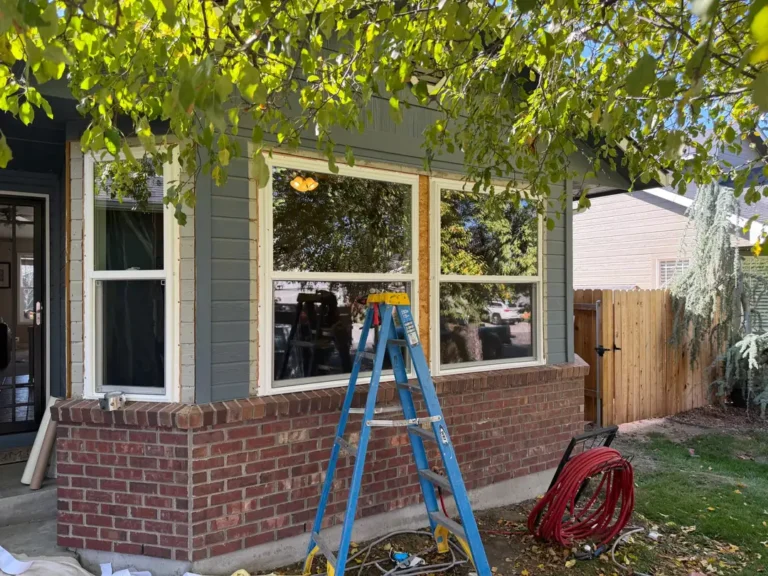
Double-hung windows are versatile, but their benefits are most useful when the opening and room layout suit the way the sashes move.
Bedrooms and living rooms. Their familiar proportions work well in traditional homes and many contemporary designs. Opening both sashes offers flexibility when ventilating a room.
Second-story rooms. Tilt-in sashes can make cleaning more convenient, provided the selected model supports that feature. This can reduce the need to access exterior glass from a ladder.
Kitchens. A double-hung window can provide ventilation above a counter or sink without a sash swinging outward. Check the reach required to operate the upper sash and the space available in front of the window.
Older homes. The vertical proportions of double-hung windows often suit traditional façades. Custom dimensions, grille patterns, and frame materials can help maintain the home’s appearance during replacement.
When Another Window Style May Work Better
Double-hung windows are not the right answer for every opening. A casement window may suit a location where strong air sealing and directional airflow are priorities. A sliding window may be more practical for a wide opening where there is no room for an outward-swinging sash.
The room’s function matters, too. If the window is intended to serve as an emergency escape opening, the available clear opening must be checked against the applicable building code. Do not assume that a double-hung window qualifies simply because it appears large enough.
Double-Hung Window Repair vs. Replacement
A double-hung window that sticks, rattles, or lets in a draft may need a relatively simple repair. Replacement becomes more relevant when the problem involves extensive deterioration, recurring moisture, or multiple failing components.
| Problem | Likely cause | When repair may be enough |
|---|---|---|
| Sash slides down or will not stay open | Worn or broken balances, or damaged sash cords in older windows | When the sash and frame remain sound |
| Window is difficult to open | Dirty tracks, damaged balances, misalignment, or worn hardware | When adjustment or component replacement restores smooth operation |
| Drafts near the sash | Worn weatherstripping or poor sash alignment | When the leakage is localized and the frame is in good condition |
| Lock does not engage | Damaged hardware or misaligned meeting rails | When the sash can be realigned and the hardware repaired |
| Fogging between glass panes | Failed insulated-glass seal | When the glass unit can be replaced separately |
| Soft or rotting frame | Moisture intrusion and material deterioration | Minor damage may be repairable; extensive deterioration often warrants replacement |
When Repair Makes Sense
Repair can make sense when the window is structurally sound and the problem is limited to one component. Replacing a failed balance, repairing a lock, renewing weatherstripping, or correcting sash alignment may restore normal operation without replacing the entire window.
Fogging between panes needs a different response. If moisture is trapped inside the sealed glass unit, cleaning the glass surfaces will not fix the failed seal. Depending on the design and condition of the window, a professional may be able to replace the insulated-glass unit while retaining the existing frame and sashes.
When Replacement Makes More Sense
Consider replacement when several problems occur together, the frame has extensive rot, water continues to enter around the window, or repairs have failed to resolve persistent drafts. The decision should account for repair costs, the remaining condition of the unit, and whether the window’s performance meets the home’s needs.
A professional inspection can help establish whether the problem lies in the glass, hardware, sash, frame, or surrounding wall assembly. It can also determine whether a replacement insert is appropriate or a full-frame installation is necessary.
Full-Frame Double-Hung Window Replacement
Full-frame replacement removes the existing window and frame components so the installer can inspect the rough opening and install a new window assembly. It is more extensive than fitting a replacement unit into an existing frame, but it can be the appropriate choice when the old assembly is damaged or unsuitable.
Full-frame replacement may be necessary when:
- The frame or sill has substantial rot, moisture damage, or deterioration.
- The existing opening is distorted or out of square.
- The project involves changing the window's dimensions or converting to a different style.
- The installer needs to address damaged flashing or insulation around the existing frame.
- Retaining the old frame would compromise the fit, sealing, or durability of the new window.
Older Boise homes may have concealed damage that is not obvious until the existing window is removed. A professional assessment should establish the likely scope of work and explain how unexpected damage would be handled.
Full-frame replacement is professional installation work, not a DIY framing project. The installer must account for the condition of the opening, appropriate flashing and water management, insulation, air sealing, and the integration of the new frame with the surrounding wall. Structural modifications may require permits or additional review, depending on the scope and local jurisdiction.
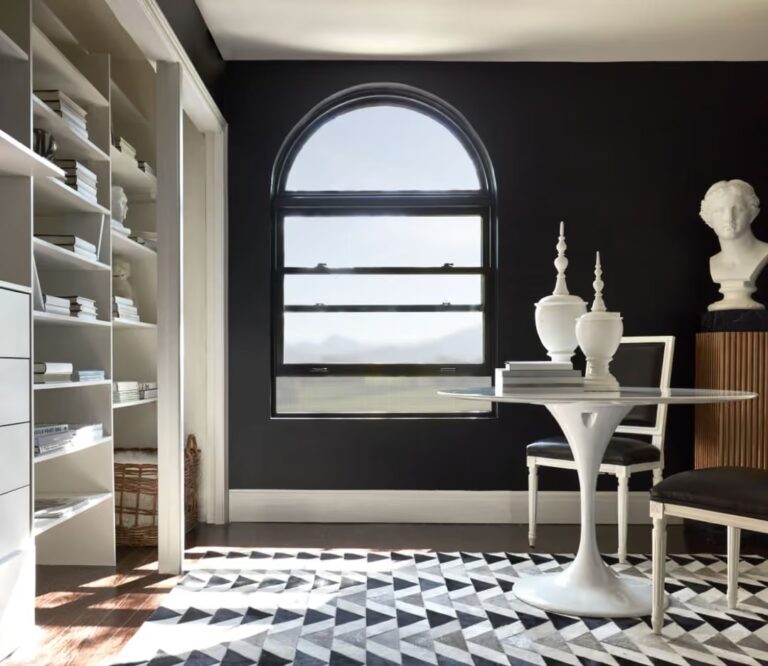
Before approving a quote, ask whether it includes removal and disposal, frame and sill repairs, flashing, insulation, interior and exterior trim, and finishing. Confirm how additional damage will be documented and priced if it is discovered during installation.
Boise Custom Windows & Doors offers replacement windows and can also handle projects that involve creating, expanding, resizing, or closing window openings.
2026 Window Rebates in Idaho: What Boise Homeowners Should Know
The rebate picture requires care because federal tax credits and utility programs are separate, and eligibility depends on the programme and property.
Idaho Power Rebates
Idaho Power’s programs include energy-efficiency assistance for income-qualified households. Its weatherization program may cover new windows and doors for eligible homes heated with electricity supplied by Idaho Power, subject to programme requirements and assessment. This is not the same as a universal rebate available to every customer replacing windows.
Boise homeowners can check the current Idaho Power rebates and energy-saving programs to determine which options apply to their household.
Avista Rebates
Avista serves selected areas of Idaho, rather than every property in Boise. Its programmes and terms must be checked separately from Idaho Power’s. A generally available Avista replacement-window rebate for Boise homeowners in 2026 has not been confirmed here.
Federal Window Tax Credit
The federal Energy Efficient Home Improvement Credit under Section 25C ended for qualifying property placed in service after December 31, 2025. It should not be presented as an available tax credit for a new window installation completed in 2026.
Before relying on an incentive, confirm the utility serving the property, the programme’s current status, qualifying window specifications, income or other eligibility requirements, and whether approval is required before the work begins. Do not subtract an unconfirmed rebate from the expected project cost.
How to Maintain Double-Hung Windows
Regular checks can help keep double-hung windows operating smoothly and identify problems before they lead to larger repairs.
Seasonal Inspection and Maintenance
- Keep tracks and channels clean. Remove dust and debris that can interfere with sash movement.
- Inspect weatherstripping. Look for sections that are loose, compressed, cracked, or missing.
- Check balances and operation. Sashes should move smoothly and remain in the intended position. If a sash drops unexpectedly, have the balance system inspected.
- Test locks and meeting rails. The two sashes should align correctly so the lock engages without excessive force.
- Look for moisture damage. Check the sill, frame corners, and nearby finishes for soft materials, staining, or recurring moisture.
- Follow the manufacturer's maintenance guidance. Use only recommended lubricants and cleaning products; some modern balance and track systems do not need routine lubrication.
If the window becomes harder to operate over time, avoid forcing it. Resistance can indicate misalignment or a failing balance rather than a need for greater pressure. A timely inspection may prevent additional damage to the sash or hardware.
Get a Double-Hung Window Replacement Estimate in Boise
The right replacement depends on the opening, the condition of the existing frame, the room’s ventilation needs, and the thermal performance of the product. A professional assessment can help determine which specifications make sense and whether the project requires an insert or full-frame installation.
Boise Custom Windows & Doors offers double-hung windows in a range of materials and provides professional replacement and installation services across Boise and the Treasure Valley.
For a project-specific estimate, visit the replacement windows page or contact Boise Custom Windows & Doors to discuss measurements, glass options, installation scope, and pricing.
Double-Hung Window FAQs
Can both sashes of a double-hung window open?
Yes. The upper sash slides down and the lower sash slides up, allowing you to adjust both openings independently.
Are double-hung windows better than single-hung windows?
They offer more flexibility because both sashes move, and many models allow both sections to tilt inward for cleaning. Single-hung windows can cost less and may be sufficient when the upper sash does not need to open.
Are double-hung windows energy-efficient?
They can be. Compare the whole window’s U-factor, SHGC, air-leakage performance, glass package, and installation details. The style alone does not determine energy efficiency.
Can you clean double-hung windows from inside the house?
Many models have tilt-in sashes that make exterior glass accessible from indoors. This feature is not universal, so confirm the operating and cleaning mechanism before buying.
How long do double-hung windows last?
Service life varies by materials, construction, exposure, maintenance, and installation quality. Rather than using age alone as the deciding factor, assess the condition of the frame, glass seals, balances, and weatherstripping.
Why won't my double-hung window stay open?
A failed or worn balance system is a common cause. Older windows may use sash cords and weights. A professional can identify the mechanism and determine whether it can be repaired or replaced.
Can you replace just the glass in a double-hung window?
Often, yes. If the frame and sash remain sound, a professional may be able to replace a broken pane or failed insulated-glass unit without replacing the entire window.
Can double-hung windows be used for bedroom egress?
Yes, if the actual net clear opening, width, height, sill height, and other applicable requirements are met. Check the specific window’s documentation and local code before ordering.
Do double-hung windows work in older Boise homes?
They can suit traditional architecture and existing vertical window openings. However, homes with historic-preservation restrictions may have specific requirements for materials, profiles, or exterior appearance. Check local rules before selecting a replacement.
Are there rebates for double-hung windows in Idaho in 2026?
There is no longer a federal Section 25C window tax credit for installations completed in 2026. Certain utility or income-qualified programmes may help eligible households, but availability and terms must be confirmed with the provider.