
Windows Repair and Door Repair in Boise
Window and door repairs can often resolve problems with individual components without replacing the entire unit. For Boise homeowners, this may mean replacing a failed glass unit, repairing a window balancer, replacing damaged screen mesh, or adjusting a door that no longer closes or locks properly. The right repair depends on the component causing the problem, the condition of the existing frame, and whether the damage can be fixed without a larger replacement.
Windows Repair Services
Window problems do not all require the same solution. Some affect the glass and the parts holding it in place; others involve the mechanisms that allow a window to open and close. The first step is to identify which component is causing the problem.
1. Glass Unit (GU) Replacement
What it fixes: Fogging or condensation trapped between glass panes, and damage to a sealed insulating glass unit.
Modern double- and triple-pane windows use a sealed glass unit to create an insulating space between the panes. If the perimeter seal fails, moisture can enter that space, leaving the glass cloudy or misted. Cleaning the inside and outside surfaces will not remove condensation trapped between the panes.
Glass unit replacement involves removing the affected sealed unit and installing a new one. If the existing frame and sash are in good condition, they can often remain in place. This makes GU replacement a potential alternative to replacing the entire window.
The distinction matters because fogging between panes is different from condensation on the room-facing glass. Indoor condensation can result from humidity and cold glass surfaces, so it does not automatically mean the sealed unit has failed.
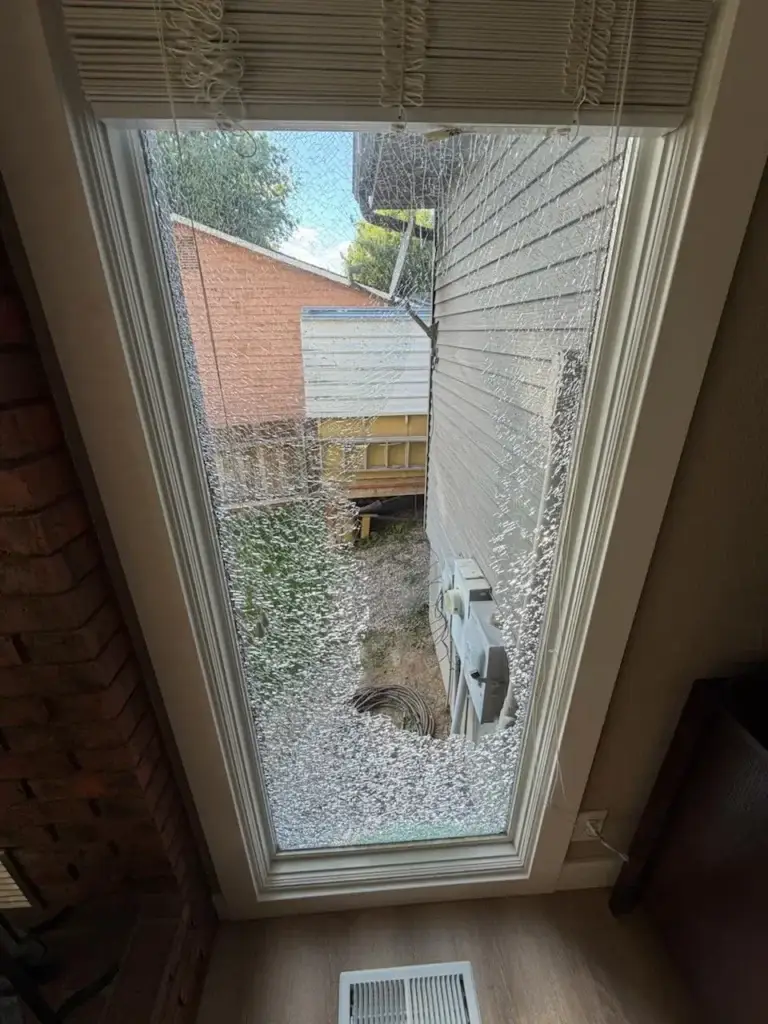
2. Glazing Bead Replacement
What it fixes: Loose, cracked, or damaged strips around the glass.
Glazing beads are the narrow strips fitted around the perimeter of a glass unit. They help retain the glass and give the window a finished appearance. Depending on the window design, the beads may be made from vinyl, wood, or another material.
A damaged bead may become loose, crack, or fail to sit flush against the surrounding frame. Replacing it restores the retaining component and the finished edge around the glass. However, glazing beads are not necessarily the primary weather seal; the sealant and gaskets beneath or around the glass perform that role in many window systems.
This service is different from GU replacement. If the glass itself has failed but the beads remain in good condition, replacing the beads alone will not resolve the underlying problem. The condition of the glass, seals, and frame should be assessed together.
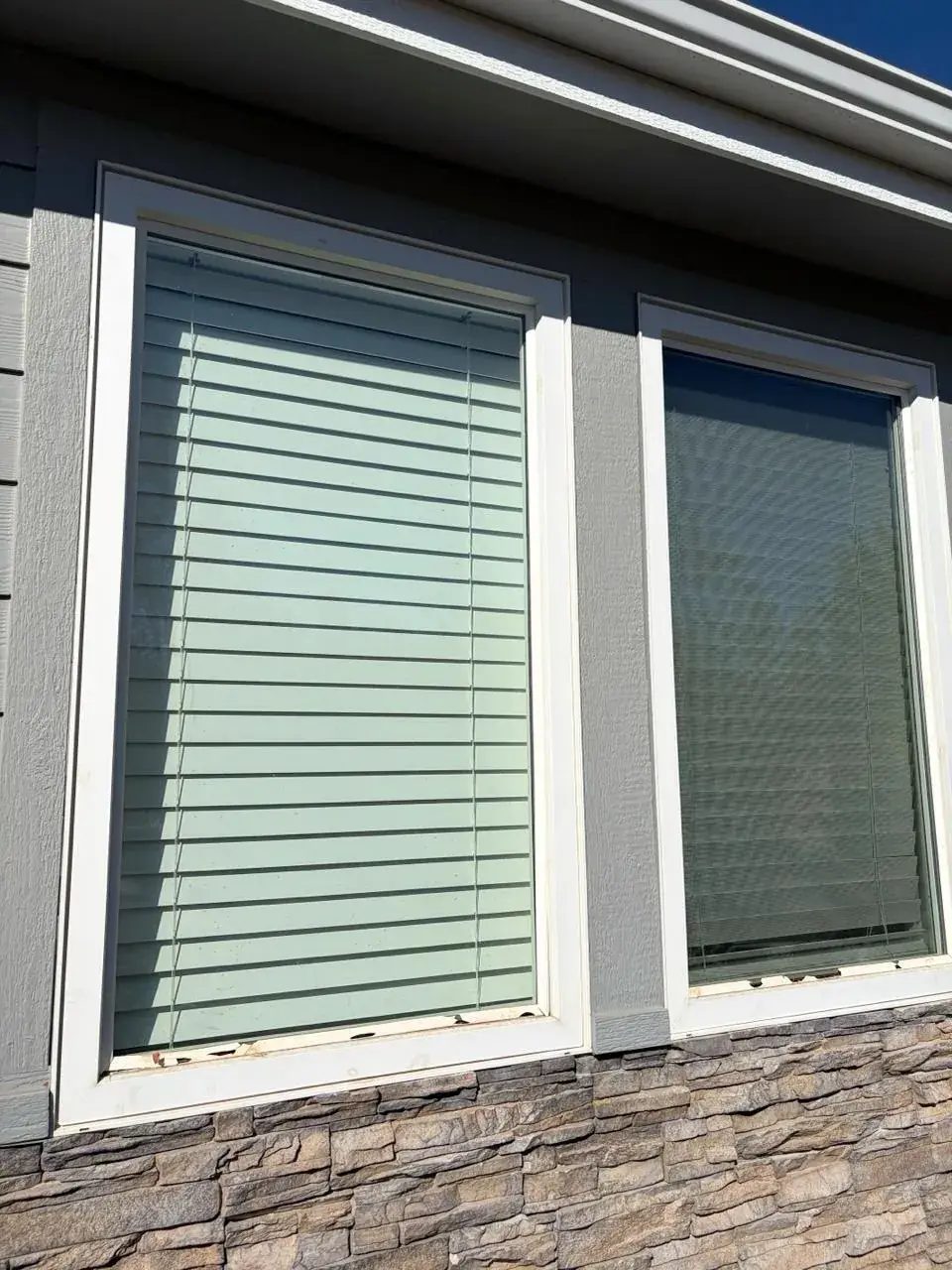
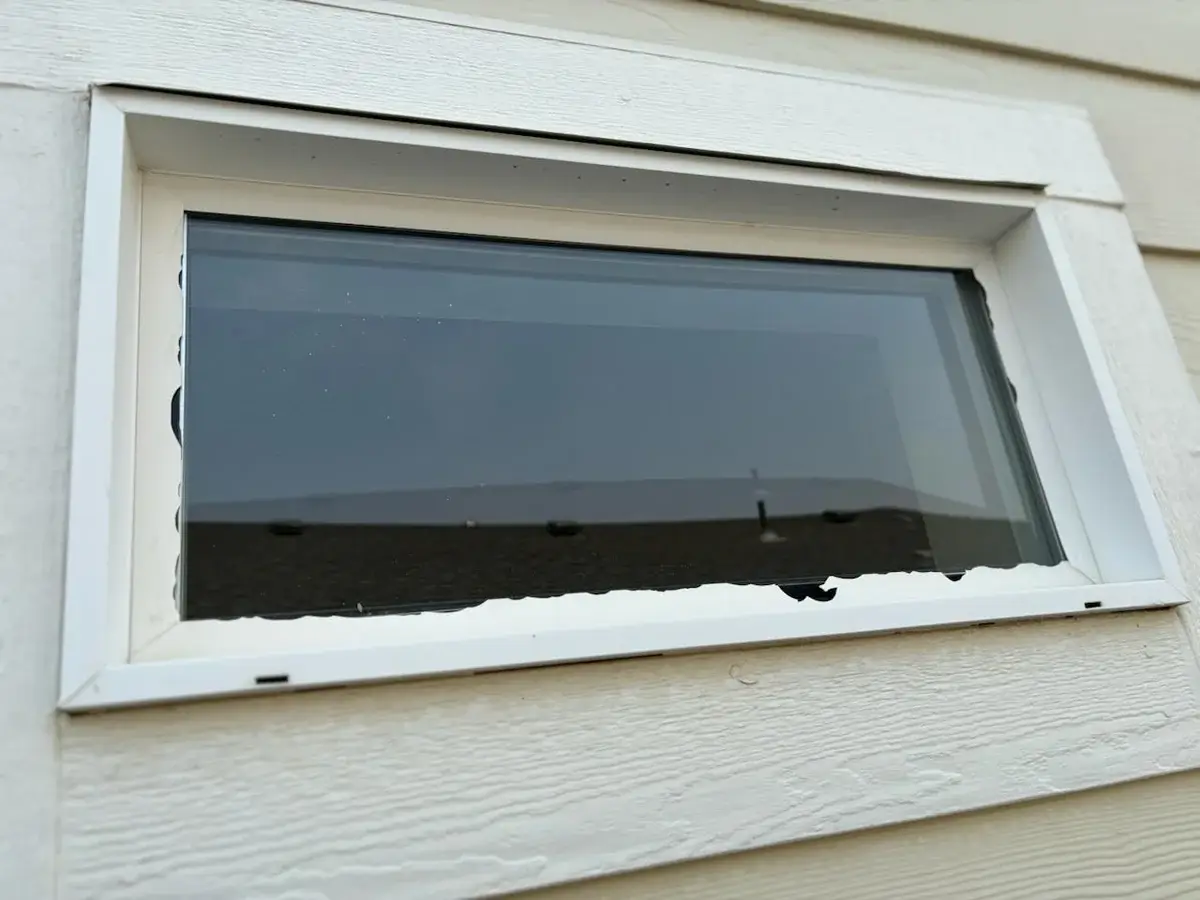
3. Window Reglazing
What it fixes: Broken or deteriorated glazing in a window that may still have a usable sash or frame.
Reglazing involves removing the existing glass and fitting replacement glass into the window’s existing structure. The process varies with the window design. Some older windows use glazing compound to secure individual panes, while other designs use stops, seals, or glazing systems suited to their construction.
The important difference is that reglazing addresses the glass installation itself, while GU replacement specifically involves replacing a complete sealed insulating glass unit. The terms should not be treated as interchangeable, because the correct method depends on how the window was manufactured.
Reglazing may be appropriate when the glass is broken but the frame remains sound. Before proceeding, the installer must determine the required glass type and thickness, including whether safety glazing is necessary for that location. Damaged frames, deteriorated glazing channels, or other structural issues may require additional work.
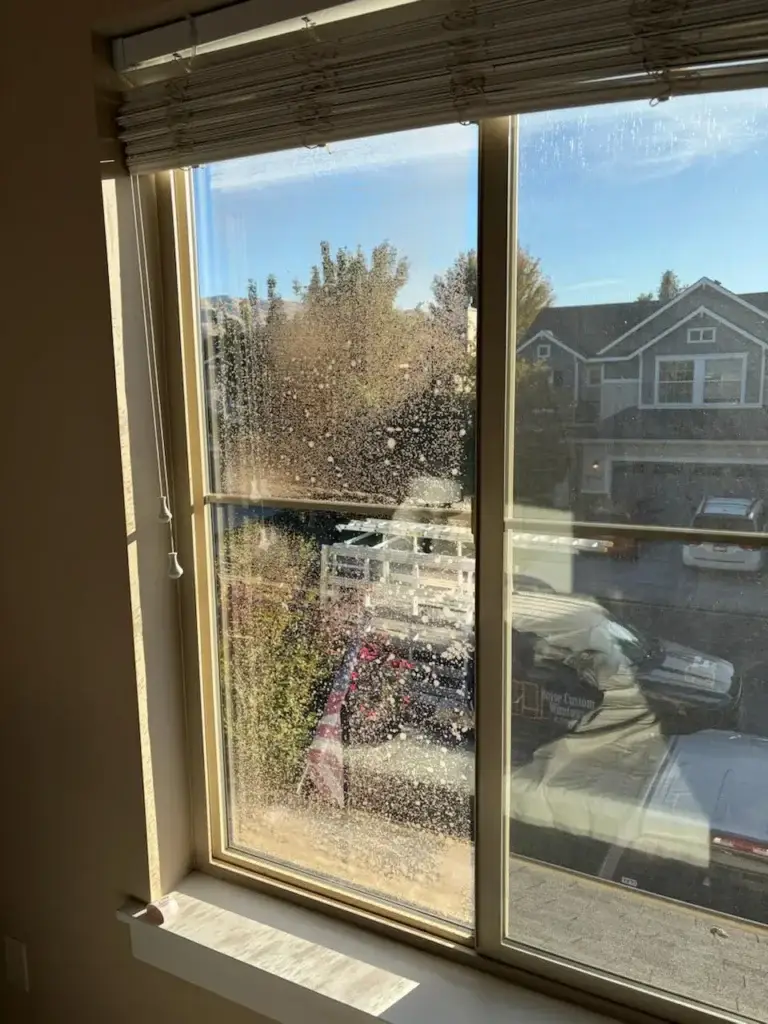
4. Window Balancer Repair
What it fixes: A sash that drops, feels unusually heavy, or will not stay open.
A window balancer counteracts the weight of a movable sash. Depending on the window, it may use a spring, cord, or another counterbalance mechanism. When the balancer fails, the sash may become difficult to lift or slide down after being raised.
This problem is especially noticeable in vertically sliding windows. A sash that will not remain open should not be held in place with makeshift supports, because it can fall unexpectedly.
Balancer repair may involve adjusting or replacing the faulty mechanism, depending on the design and condition of the component. The sash, tracks, and related hardware should also be checked. A window that is difficult to move may have another issue, such as a damaged track or a sash that has become misaligned, so the balancer should not be blamed without inspection.
When the frame and sash are otherwise sound, repairing the balance mechanism can restore normal operation without replacing the whole window.
5. Window Screen Repair
What it fixes: Torn mesh, loose screen edges, and damaged screen frames.
A window screen allows homeowners to ventilate a room while helping keep insects out. Over time, the mesh can tear, pull away from the frame, or become loose. Frames may also bend, and clips or other retaining parts can break.
Screen repair may involve replacing the mesh, securing the edges, or fixing damaged frame components. If the frame is badly bent or no longer fits the window opening, replacing the complete screen assembly may be more practical.
A screen does not seal the window against outdoor air or water, and it is not a substitute for properly functioning window hardware. If the screen fits poorly because the window itself is damaged or misaligned, that underlying problem may need attention as well.
Doors Repair Services
Door problems often become noticeable during everyday use. A door may scrape the floor, catch against the frame, or require extra pressure before the lock engages. These symptoms can be related, but they do not necessarily have the same cause.
6. Door Adjustments
What it fixes: Doors that rub, drag, sit unevenly, or fail to close smoothly.
A door needs to sit correctly within its frame for the hinges, latch, and other hardware to work as intended. If the door becomes misaligned, it may rub against the jamb, leave uneven gaps, or require force to close. The problem may be related to loose hinges, changes in the door’s position, or movement in the frame.
Door adjustments correct the position of the door where possible. Depending on the cause, the work may involve adjusting hinges or addressing related hardware so the door moves freely and closes properly.
The distinction between an adjustment and a more extensive repair is important. Tightening or repositioning hardware may solve a minor alignment issue, but it will not correct every cause of a sticking door. A damaged frame, deteriorated material, or more substantial movement may require additional work.
Correct alignment also affects the lock. If the door is sitting unevenly, the latch may no longer meet the strike plate in the correct position. Resolving the alignment problem can sometimes restore proper locking without replacing the lock itself.
7. Lock Adjustments
What it fixes: A latch that misses the strike plate, a lock that sticks, or a door that locks only when pushed or pulled.
Door locks depend on the correct alignment of the latch, strike plate, and locking mechanism. If these components do not line up, the key may be difficult to turn or the latch may fail to engage properly. In some cases, the lock works only when someone presses the door firmly against the frame.
Lock adjustment addresses alignment or positioning issues that prevent the hardware from operating correctly. The work may involve adjusting the strike plate or checking how the door sits in the frame.
Not every lock problem is caused by misalignment. A worn cylinder, damaged internal mechanism, or broken component may require repair or replacement instead. Forcing a stiff key or repeatedly slamming the door can worsen the problem.
A door that does not lock reliably should be checked promptly, particularly if the fault affects the home’s security. The goal is to establish whether the issue lies with the lock, the door alignment, or both before deciding on the repair.
Can a Window or Door Be Repaired Instead of Replaced?
In many cases, yes. When the main frame is in good condition and the fault is limited to one component, a targeted repair may be sufficient. A failed glass unit, damaged screen, faulty balancer, or misaligned lock does not automatically mean the entire window or door needs replacing.
Replacement may be worth considering when the frame is deteriorated, several components have failed, or the unit has recurring problems that repairs cannot resolve. The decision also depends on the age, construction, condition, and performance of the existing window or door.
Before approving work, ask which component has failed, what the proposed repair will address, and whether any related damage has been found. This helps clarify the scope of the work and reduces the risk of paying for a repair that does not address the underlying cause.
Which Repair Does Your Window or Door Need?
The symptom can help narrow down the service, but it does not always identify the cause on its own.
| What you notice | Repair to investigate |
|---|---|
| Condensation trapped between glass panes | GU replacement |
| Cracked or loose strips securing the glass | Glazing bead replacement |
| Damaged glass in a frame that can be retained | Reglazing, depending on window construction |
| Window sash drops or will not stay open | Balancer repair |
| Torn mesh or a damaged window screen | Screen repair |
| Door rubs against the frame or floor | Door adjustment |
| Latch does not line up or lock is difficult to operate | Lock adjustment |
These are starting points, not definitive diagnoses. For example, a door that will not latch may have an alignment problem, damaged hardware, or a frame issue. Identifying the cause helps avoid paying for an adjustment that will not solve the underlying fault.
Window Repairs and Door Repairs in Boise
The right repair starts with identifying the faulty component rather than assuming the entire window or door has reached the end of its useful life. Whether the issue involves fogged glass, damaged glazing beads, a sash that will not stay open, or a door that will not latch properly, the condition of the surrounding assembly determines what can be repaired.
Boise Custom Windows & Doors serves homeowners in Boise and the surrounding Treasure Valley. If you are unsure what is causing a window or door problem, contact the team to discuss the issue and the available options.
Frequently Asked Questions About Window and Door Repairs
Can foggy window glass be repaired without replacing the whole window?
Often, yes. If moisture is trapped between panes because the sealed glass unit has failed, the unit may be replaceable while retaining the existing frame. If the frame is damaged or deteriorated, more extensive work may be necessary.
Why does my window slide down after I open it?
A failed or damaged balancer is one possible cause. The balance mechanism supports the sash’s weight, allowing it to stay open. Other hardware or alignment problems can produce similar symptoms, so the mechanism should be inspected before deciding on a repair.
What is the difference between glazing bead replacement and reglazing?
Glazing bead replacement addresses the strips that retain and finish the edge of the glass. Reglazing involves removing and refitting or replacing the glass itself within the existing window structure. Which service is appropriate depends on the window’s construction and the condition of its components.
Why won't my door lock unless I push it?
The latch and strike plate may no longer align because the door has shifted or its hardware has loosened. An adjustment may solve the issue, but worn or damaged lock components can require a different repair.
When should I consider replacing a window instead of repairing it?
Replacement is worth discussing when the frame is badly deteriorated, multiple components are failing, or the window continues to have problems despite previous repairs. If the issue is limited to one serviceable component, a targeted repair may be the more practical option.